Art & CultureReview
Review: "In Praise of Shadows" by Jun'ichiro Tanizaki, an illuminating essay
Published in 1933, this short text by the Japanese writer celebrates dimness, patina and nuance. A classic for understanding Japanese aesthetics.
Published on 1 min read
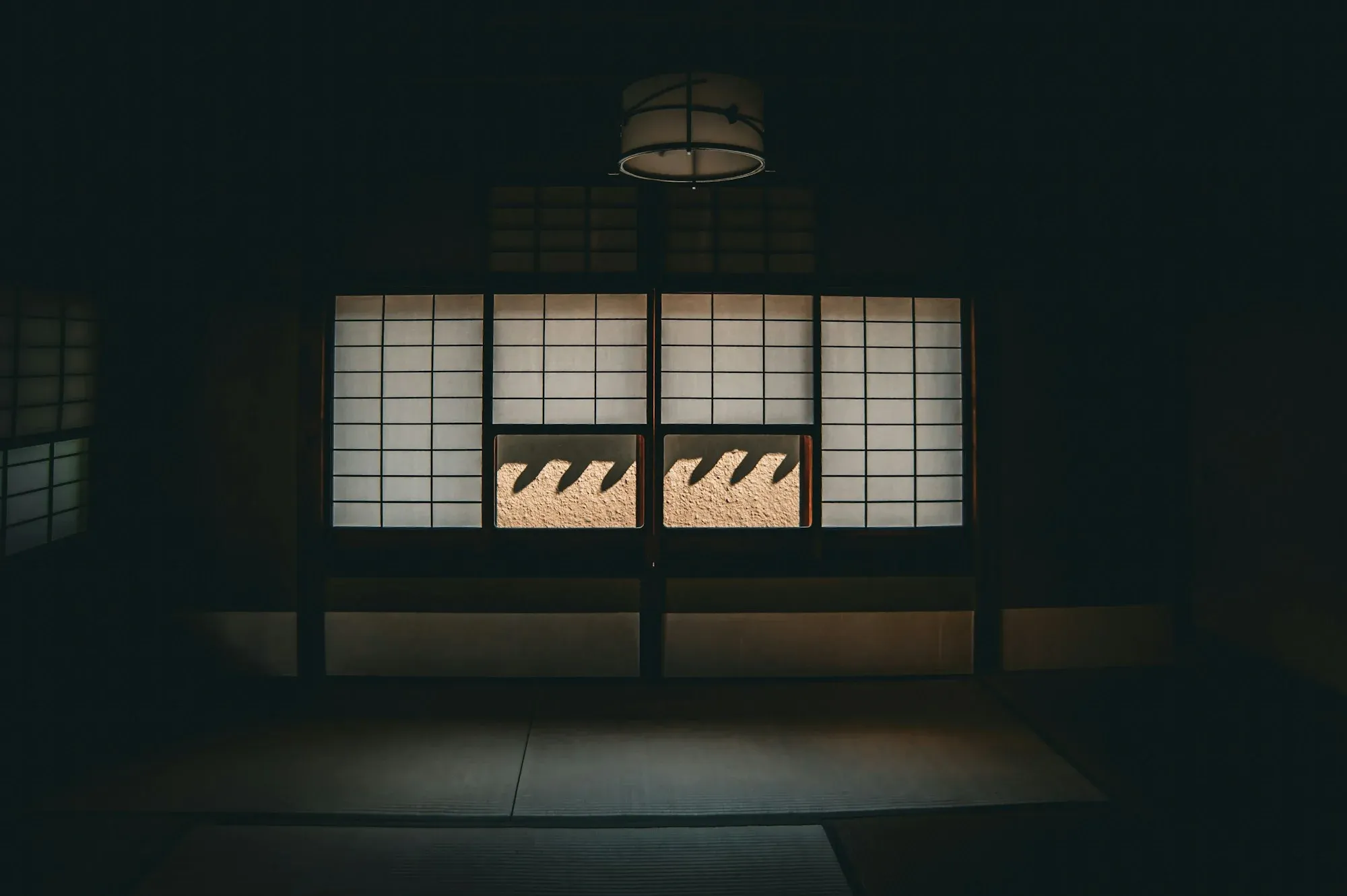
In 1933, writer Jun'ichiro Tanizaki published a short essay that would become one of the most quoted texts on Japanese aesthetics. Its subject: shadow, and everything modern electric light risks making disappear.
In praise of dimness
Tanizaki looks at traditional houses, their dark rooms and translucent paper. He explains how lacquer, gold or wood reveal their full beauty in low light, by candlelight, where harsh lighting would flatten them.
A look at modernity
The essay is also a reflection on the encounter between Japan and the West. With humour and sometimes melancholy, the author wonders what adopting Western techniques changes in Japanese daily life and taste.
A text that still speaks
Architects, designers, photographers and filmmakers continue to draw on it. Its short length makes it an ideal way into Japanese aesthetic thought.
Our verdict
For: delicate writing, very concrete observations, a read that changes how you see.
Against: some passages reflect the opinions of their time and need to be put in context.
A short book to read and reread, ideally in the soft light of a lamp.