Art & CultureGuide
Q&A: what exactly is wabi-sabi?
The beauty of imperfection, the passing of time and simplicity: the team answers questions about this very fashionable Japanese aesthetic idea.
Published on 1 min read
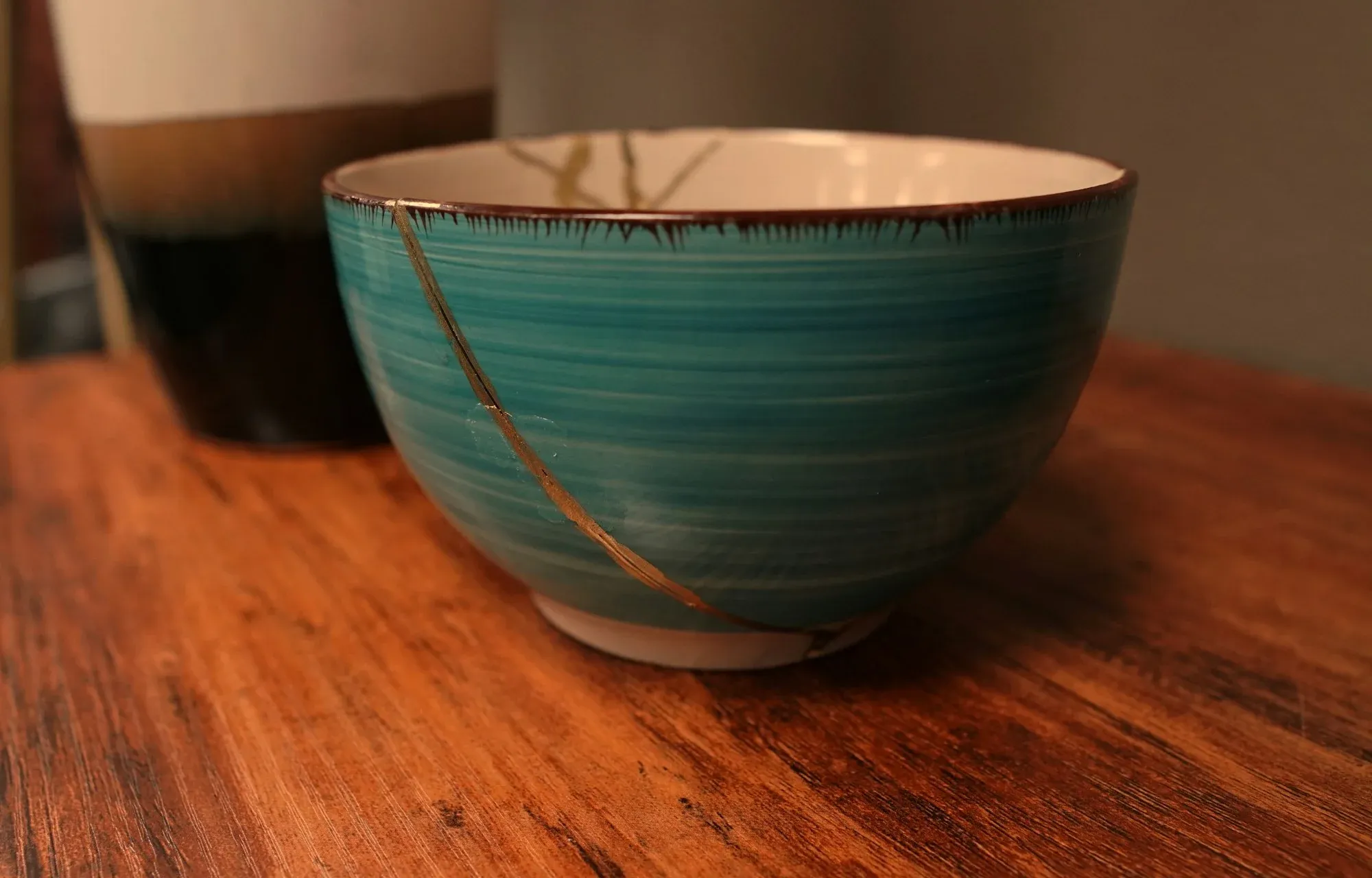
The word wabi-sabi now appears in interior design, fashion and product design. But what does it really mean? Here are our answers.
Where does the word come from?
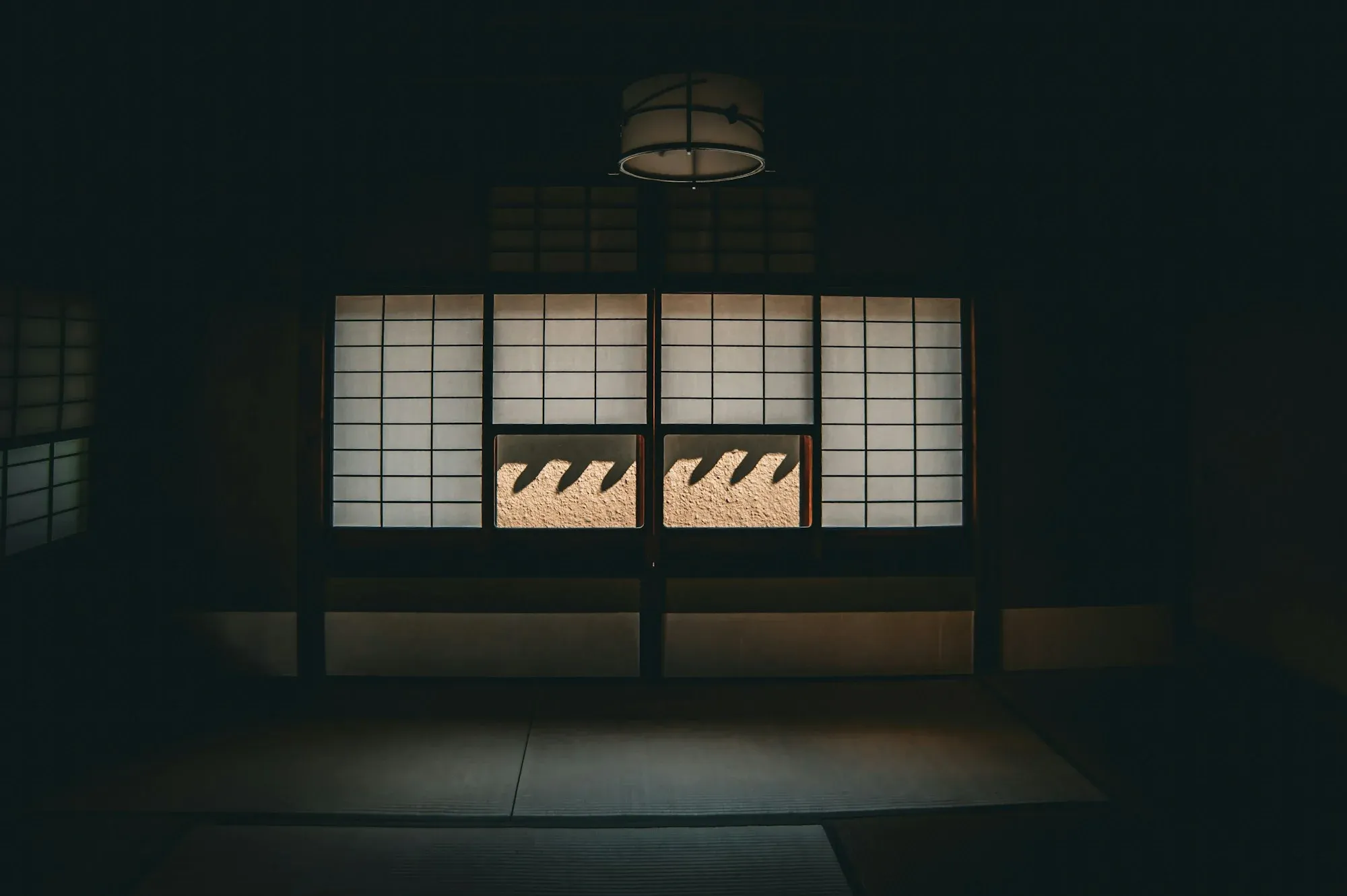
It combines two Japanese ideas. Wabi suggests simplicity, restraint and a quiet kind of beauty. Sabi suggests patina, wear and the beauty of things that age. Together, they describe an aesthetic of imperfection and impermanence.
What is the link with the tea ceremony?
A very strong one. Japanese tea masters valued irregular bowls, raw materials and pared-back objects, rather than perfect, luxurious ones.
And kintsugi?
Kintsugi is the art of repairing broken ceramics with lacquer dusted with gold. Instead of hiding the crack, it is highlighted. It is often cited as a beautiful illustration of the wabi-sabi spirit.
How do you spot it in everyday life?
Natural materials: wood, clay, linen, stone.
Simple, slightly irregular shapes.
Soft colours and an embraced patina.
Is it just a trend?
The term is sometimes used as a selling point. But originally, it is a way of looking at the world: accepting that nothing is perfect, nothing is finished and nothing lasts.