FoodNews
Washoku and kimjang: when Japanese and Korean food joined UNESCO heritage
In December 2013, UNESCO added Japanese culinary tradition and the communal making of kimchi in Korea to the intangible cultural heritage of humanity.
Published on 1 min read
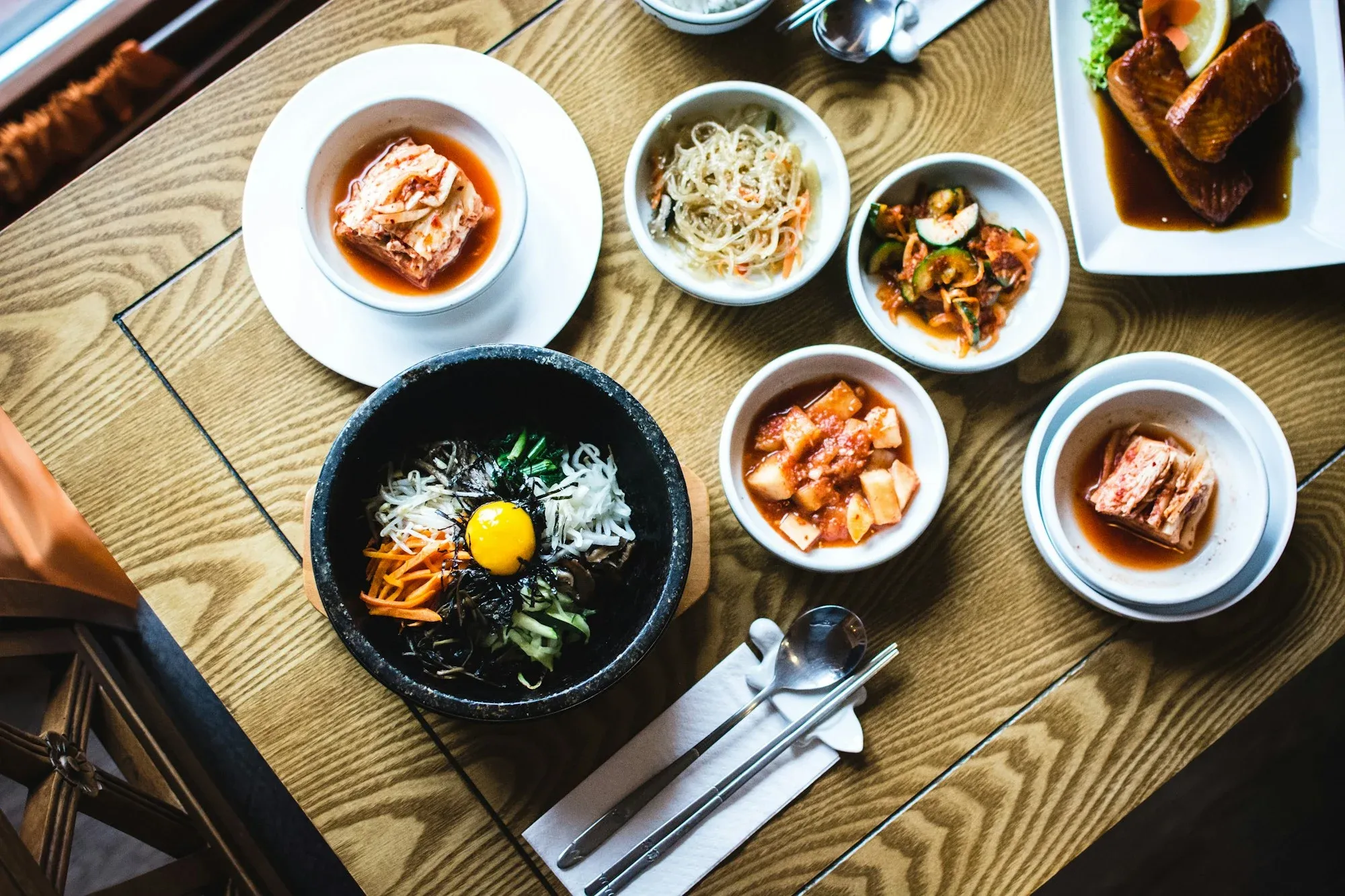
In December 2013, during the same session, UNESCO added two East Asian food traditions to its list of the intangible cultural heritage of humanity: Japanese washoku and Korean kimjang.
Washoku, a philosophy of the table
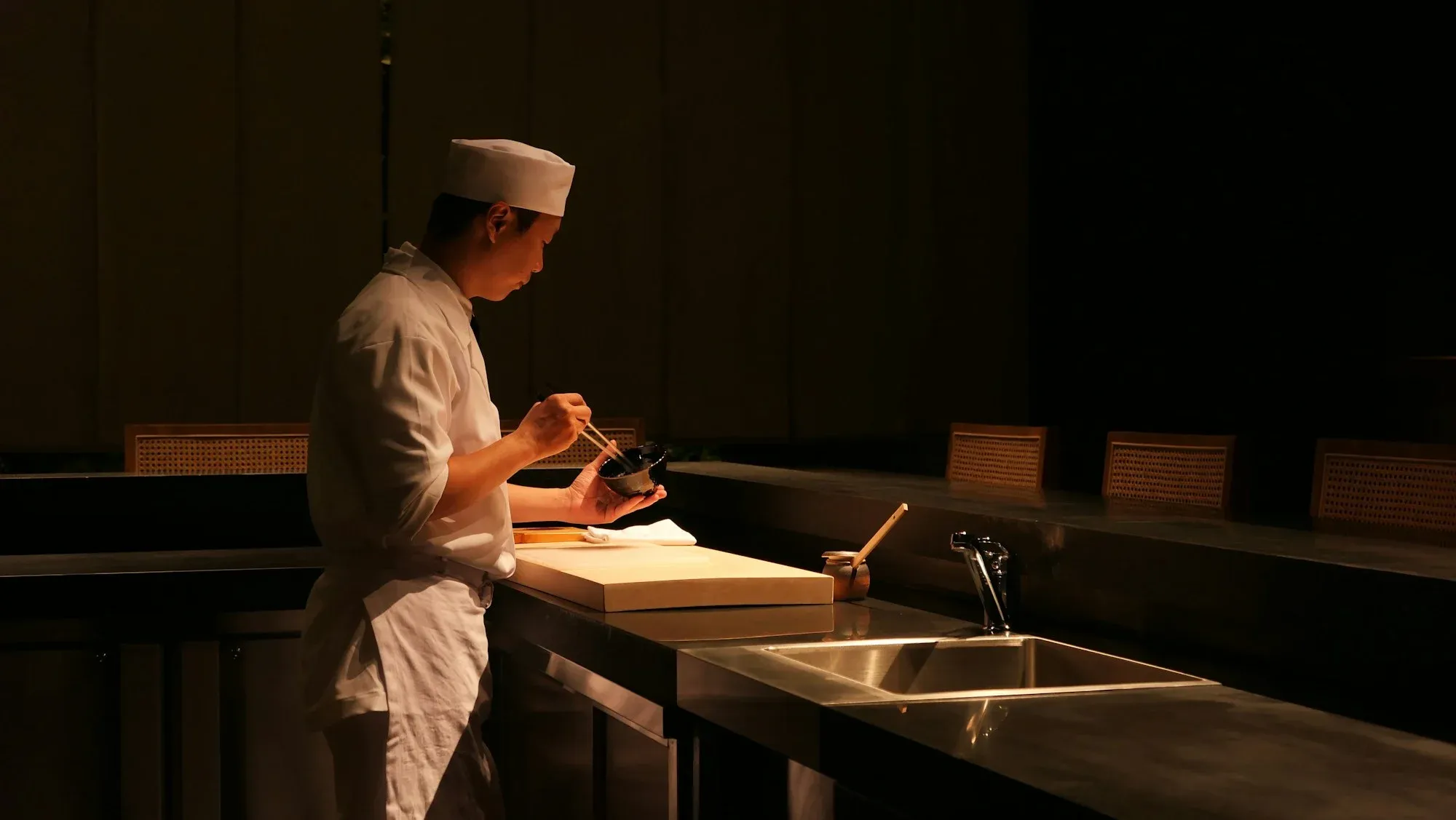
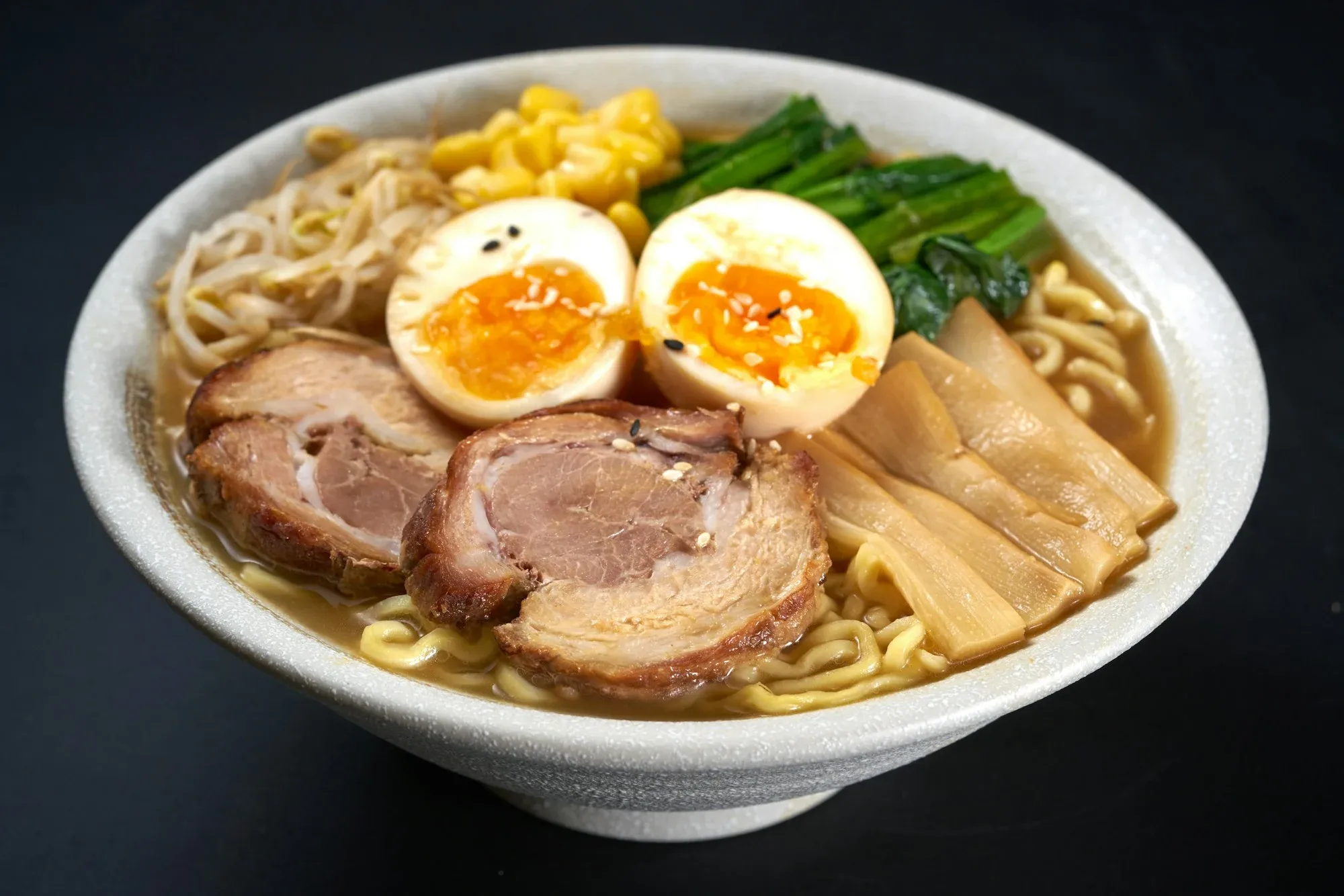
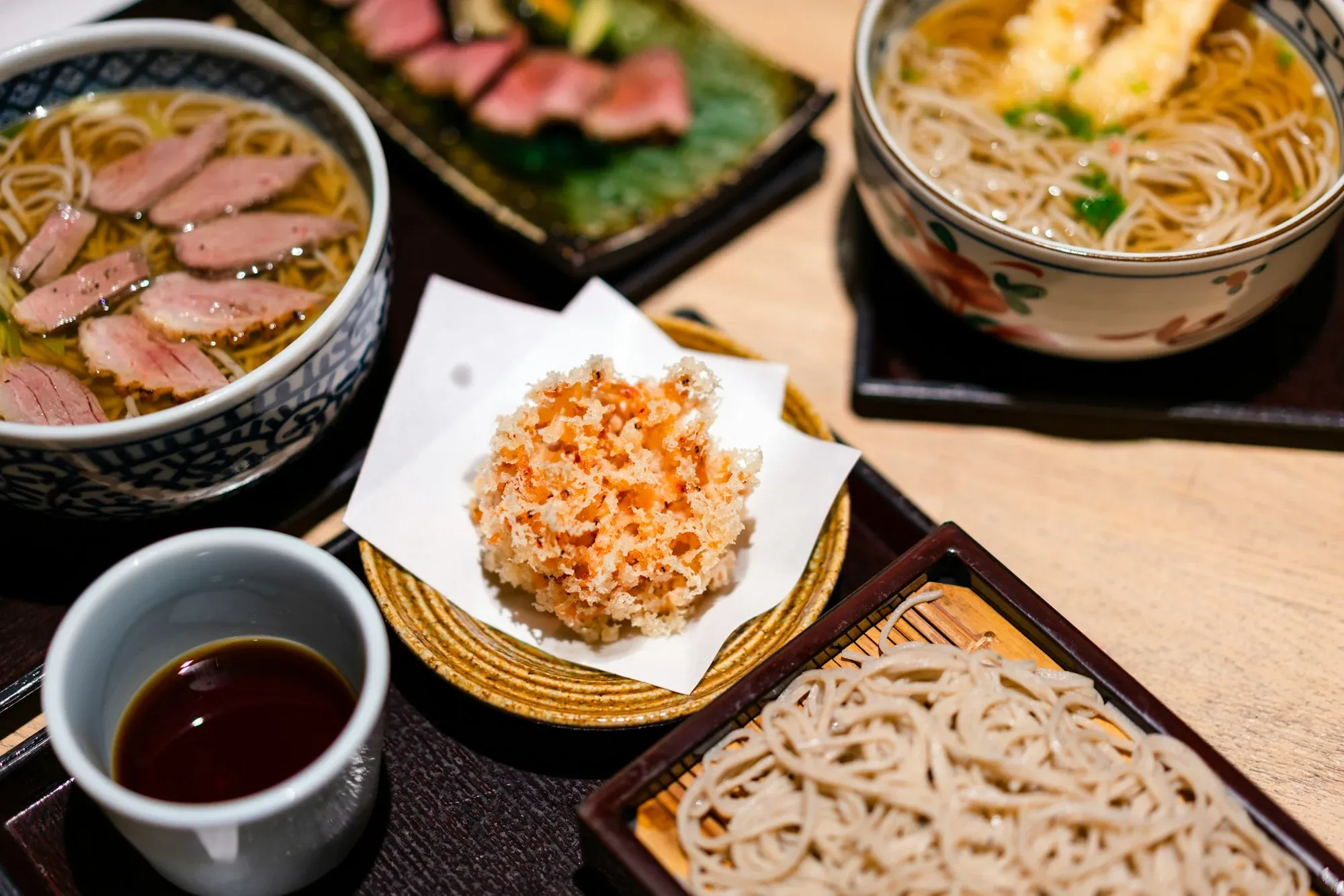
Washoku refers to the traditional dietary cultures of the Japanese, notably for celebrating the New Year. More than a list of dishes, it is a way of cooking and eating: respect for seasonal produce, nutritional balance, beautiful presentation and a link with festivals and the seasons.
Kimjang, a time for sharing
Kimjang is the making and sharing of kimchi in Korea as winter approaches. Families and neighbours gather to prepare large quantities of fermented, seasoned cabbage, eaten throughout the cold months.
What UNESCO recognises
Not a particular dish, but know-how passed down through generations.
The social role of food, which brings families and communities together.
The importance of preserving these practices as lifestyles change.
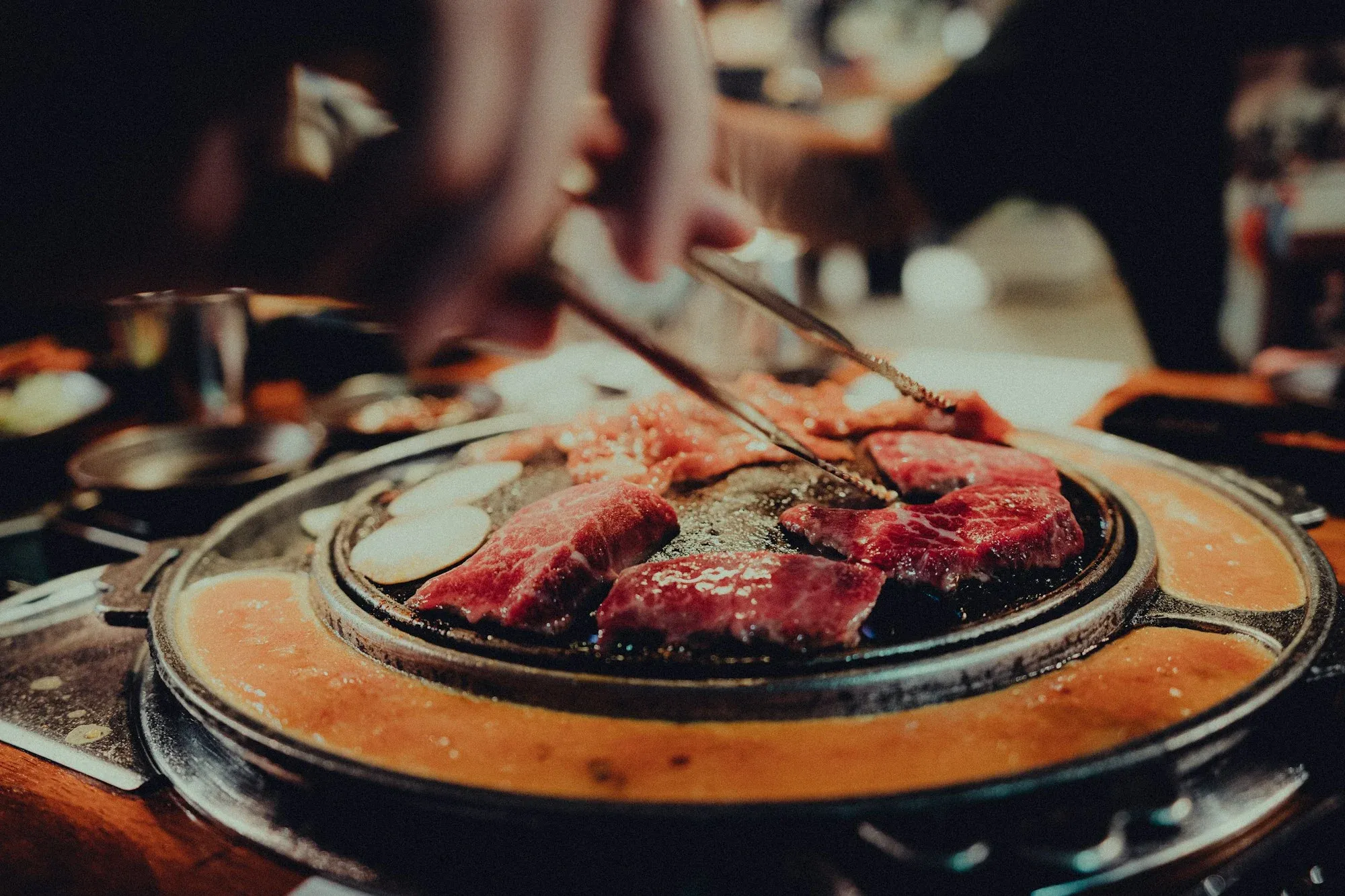
This double listing shows the growing attention paid to Asian food cultures, now loved far beyond their countries of origin.