GamingFeature
From arcades to consoles: how Japan shaped video games
Space Invaders, the Famicom, the PlayStation, the Switch… A look back at forty years of Japanese innovation that defined modern video games.
Published on 1 min read
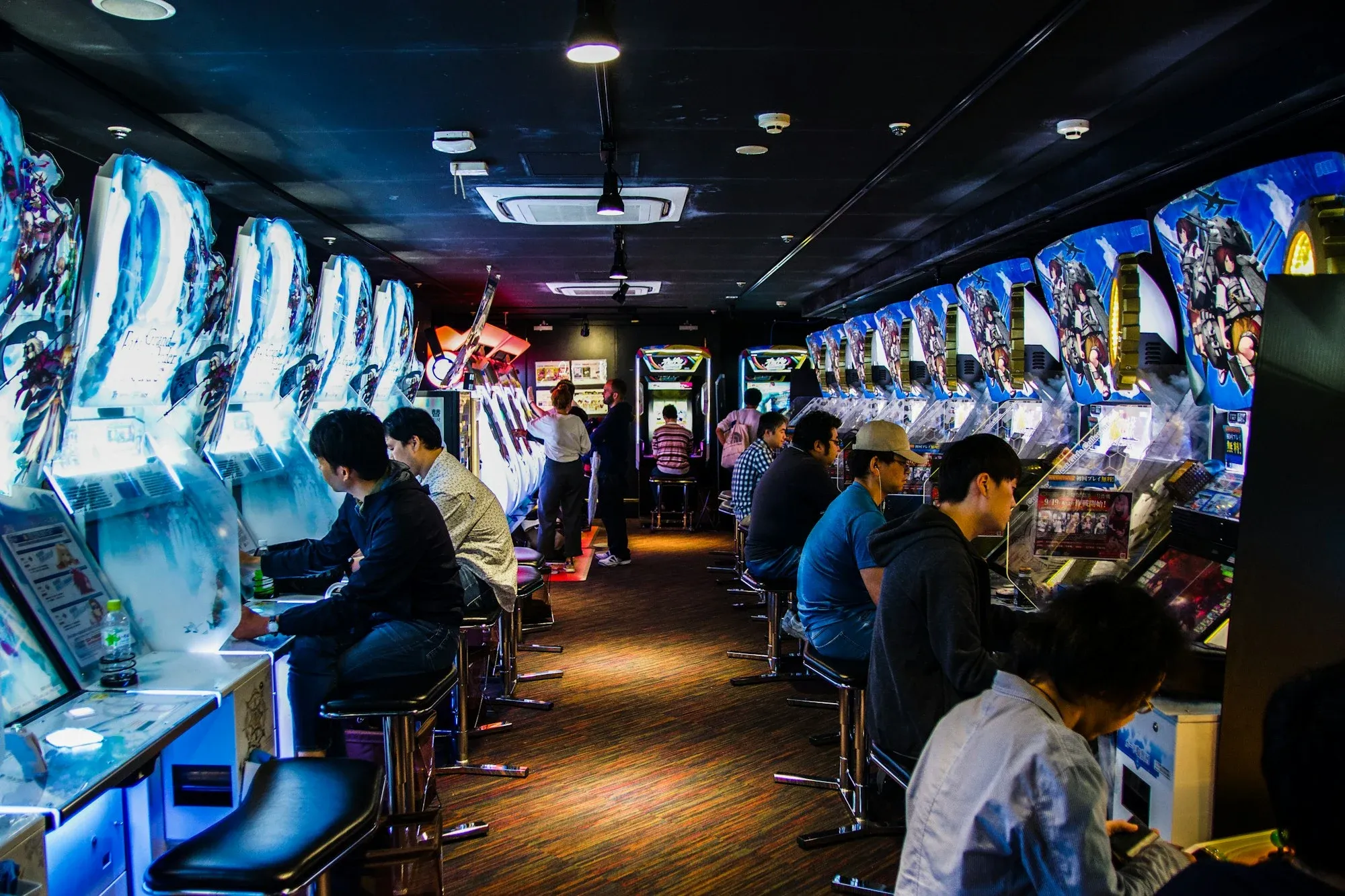
Video games may have been born in the United States, but they largely found their modern form in Japan. A look back at some key milestones.
The golden age of arcades
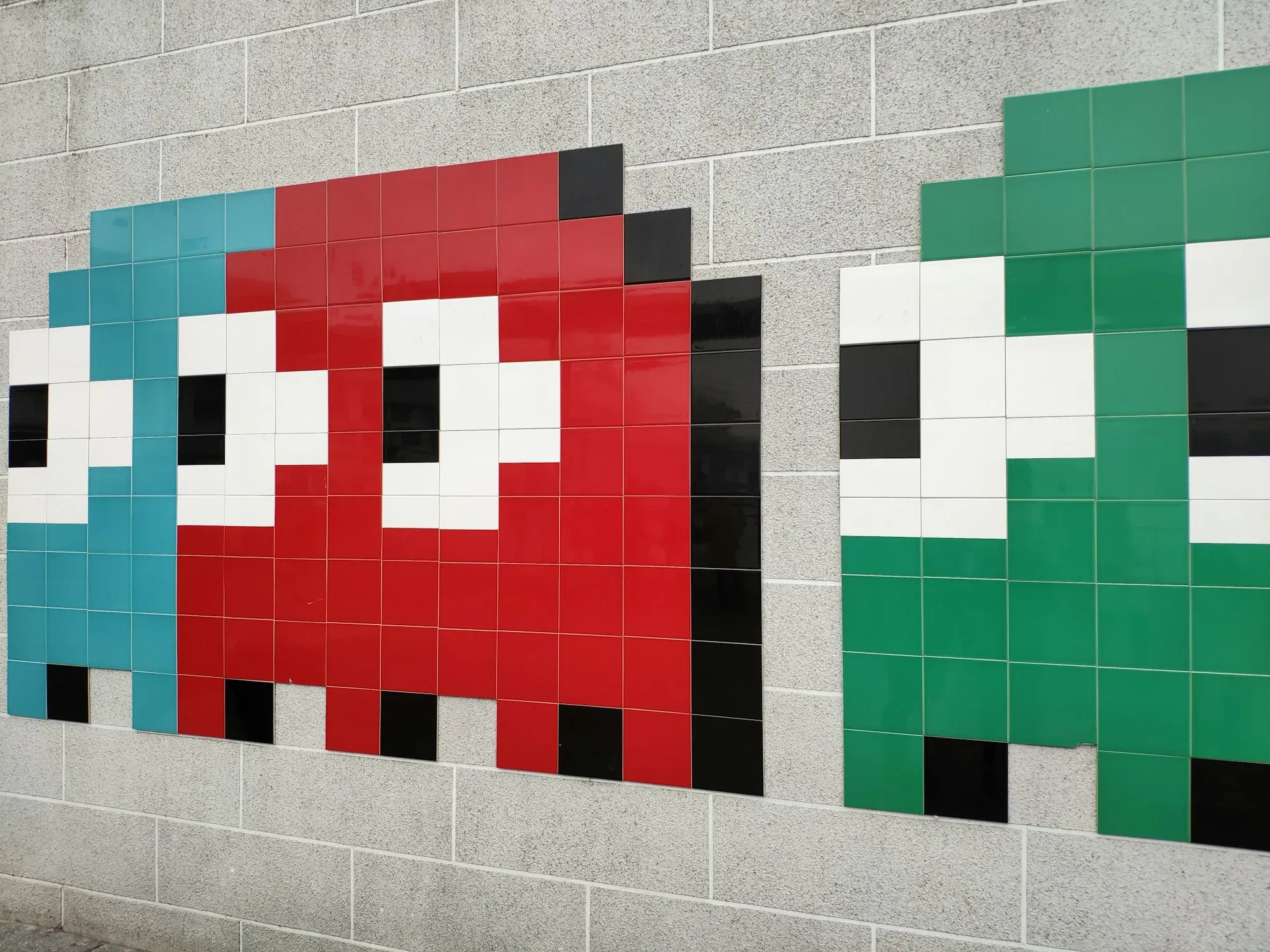
In 1978, Taito's Space Invaders sparked a real craze in Japanese arcades, then around the world. Two years later, Namco's Pac-Man widened the video game audience far beyond shooting fans.
The home console
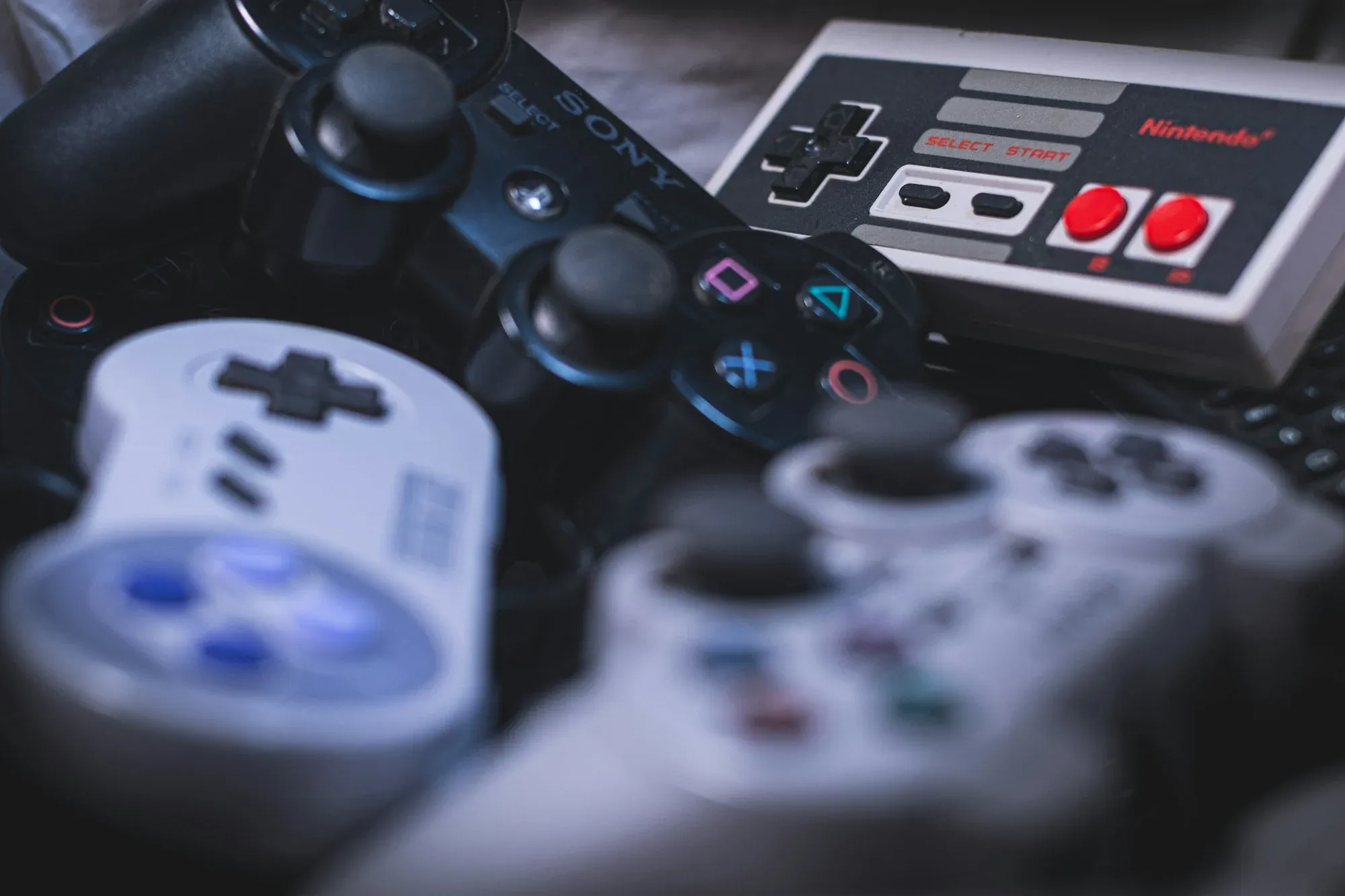
In 1983, Nintendo launched the Famicom in Japan, known in the West as the NES. With series like Super Mario Bros. and The Legend of Zelda, it revived a Western market then in crisis and introduced characters that became universal.
The console wars
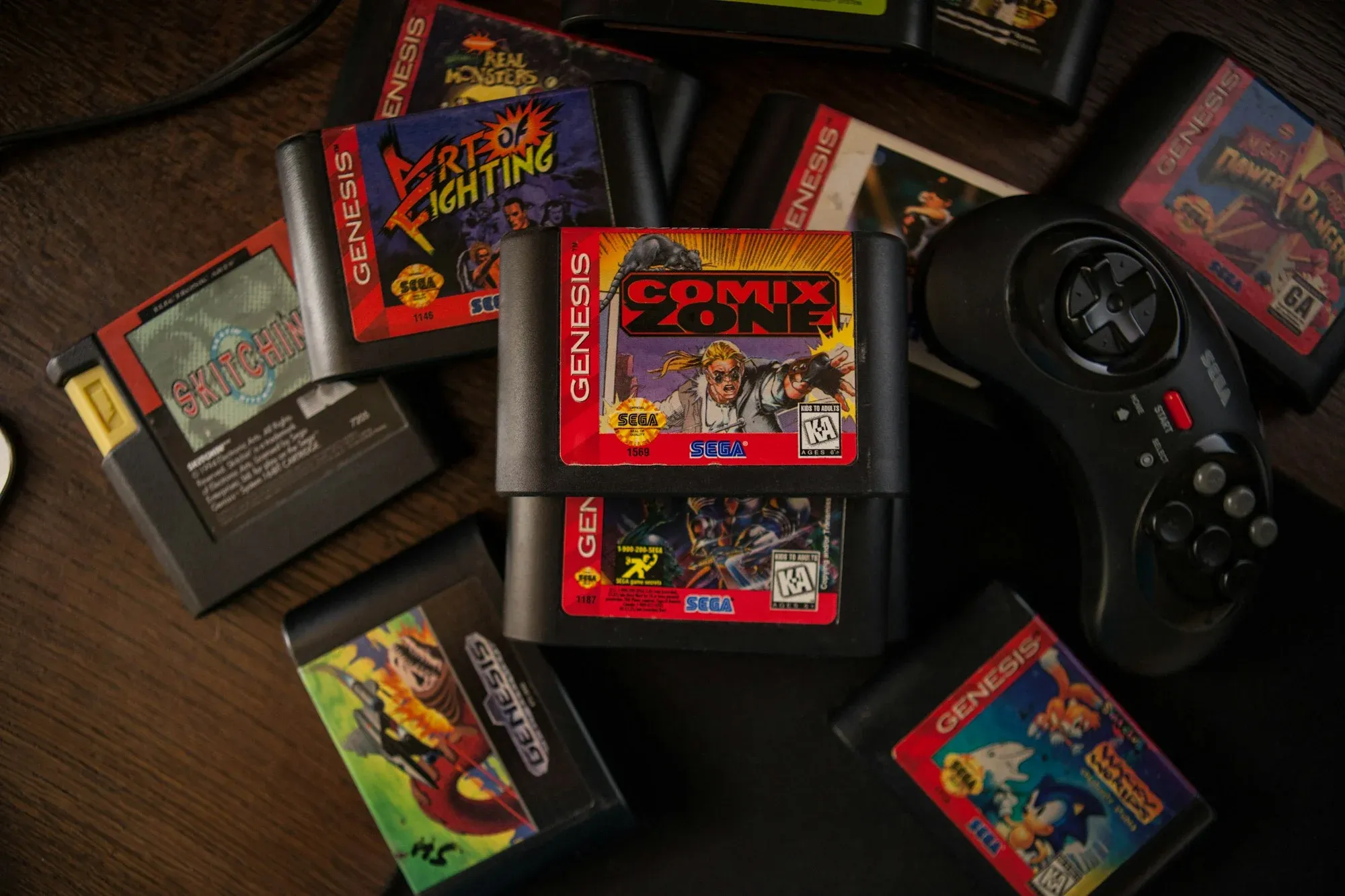
The 1990s saw Nintendo and Sega go head to head, then Sony arrived with the PlayStation in 1994 in Japan. Games became more ambitious, in 3D, with increasingly cinematic stories.
Innovation through the controller
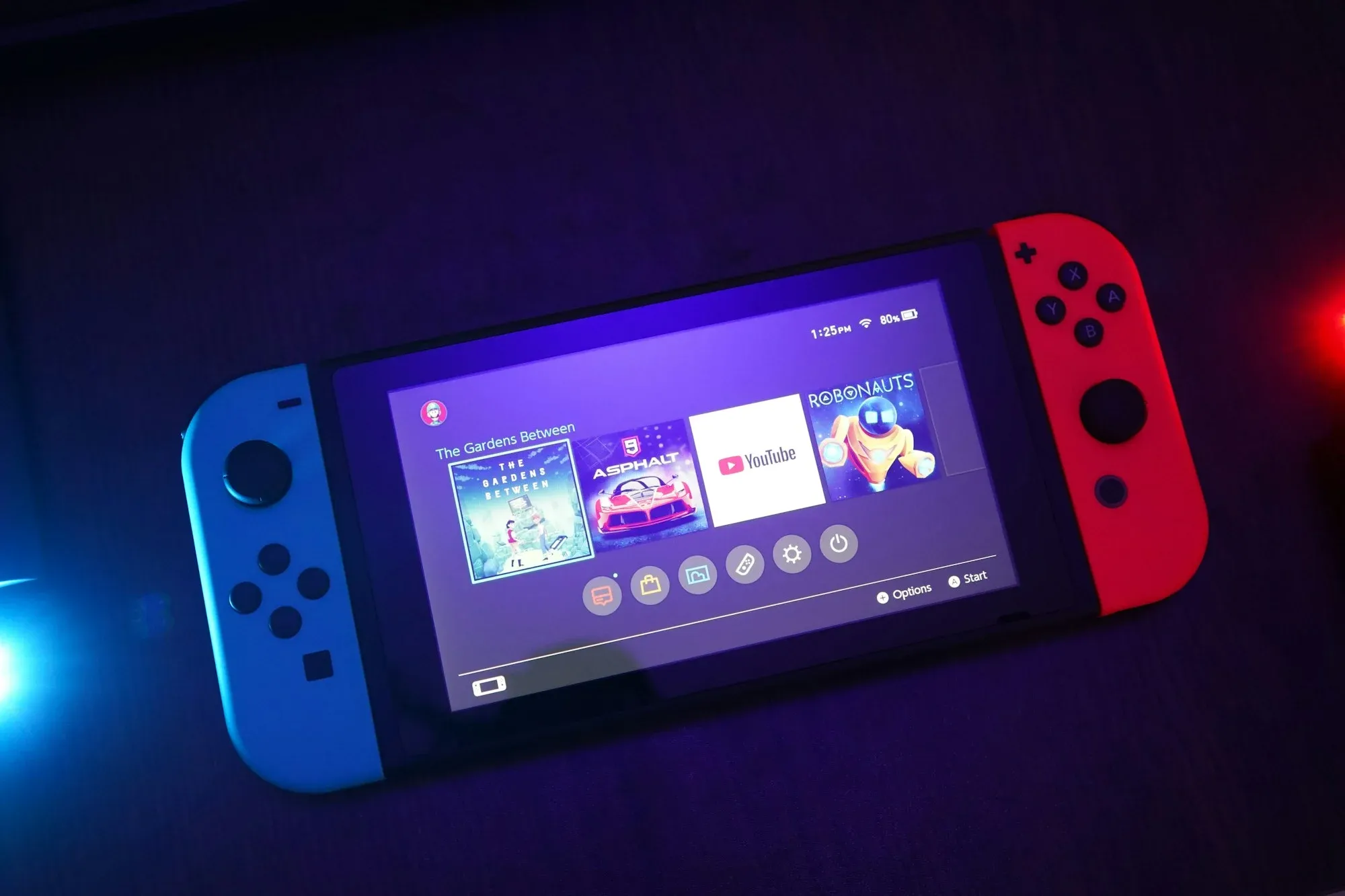
Japan also stood out with bold ideas about how we play: handheld consoles, touch screens, motion sensing, and in 2017 the Switch, both a home and a handheld console.
Key points
Japan gave video games many of their most famous mascots.
Its manufacturers redefined how we play several times.
Its studios remain among the most influential in the world.